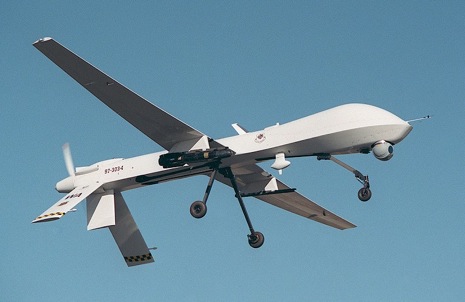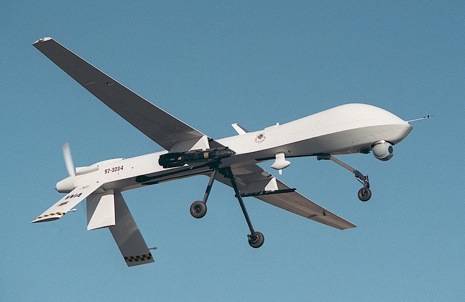
Jane Meyer‘s excellent New Yorker article, The Predator War, suggests that the U.S. reliance on drones to carry out overseas assassinations may be quick and efficient, but it’s hardly without consequence. Sticky moral issues aside, delivering death from above—and beyond—has been taking a toll on the drone pilots safely ensconced at their video feeds thousands of miles away.
I found it oddly telling that pilots sometimes feel compelled to, “wear flight suits when they operate a drone?「どィび「s remote controls.” This kind of thing, though, is symptomatic of something that now has a name: Drone Pilot Burnout. The weekend’s Year In Ideas Issue of the New York Times Magazine explains it thusly:
On its face, it seems like the less stressful assignment. Instead of being deployed to Afghanistan or Iraq, some pilots and other crew members of the U.S. military?「どィび「s unmanned Predator drones live at home in suburban Las Vegas and commute to a nearby Air Force base to serve for part of the day. They don?「どィび「t perform takeoffs and landings, which are handled overseas. But the Predator crews at Nellis Air Force Base in Nevada ?「どィ?are at least as fatigued as crews deployed to Iraq,?「どィャ if not more so, according to a series of reports by Air Force Lt. Col. Anthony P. Tvaryanas.
When Tvaryanas and colleagues surveyed crews who ?「どィ?teleoperate?「どィャ drones in war zones a few years ago, they found an alarming result: crew members had ?「どィ?significantly increased fatigue, emotional exhaustion and burnout?「どィャ compared with the crew of a craft that does have a pilot on board, the Awacs surveillance plane. In response, the Air Force implemented a new shift system, in which the number of days off in a row was increased. This year, in March, Tvaryanas released a fresh survey but the results were no better. There was ?「どィ?a pervasive problem with chronic fatigue,?「どィャ Tvaryyanas writes, which ?「どィ?can be expected to adversely impact job performance and safety.?「どィャ The survey also showed that Predator crews were suffering through ?「どィ?impaired domestic relationships.?「どィャ
Why is this? Part of the problem lies in what Tvaryanas calls the ?「どィ?sensory isolation?「どィャ of pilots in Nevada flying drones 7,500 miles away. Although there are cameras mounted on the planes, remote pilots do not receive the kind of cues from their sense of touch and place that pilots who are actually in their planes get automatically. That makes flying drones physically confusing and mentally exhausting. Perhaps this helps explain the results of another study Tvaryanas published with a colleague in May, which examined 95 Predator ?「どィ?mishaps and safety incidents?「どィャ reported to the Air Force over an eight-year period. Fifty-seven percent of crew-member-related mishaps were, they write, ?「どィ?consistent with situation awareness errors associated with perception of the environment?「どィャ ?「どィて meaning that it?「どィび「s hard to grasp your environment when you?「どィび「re not actually in it.